

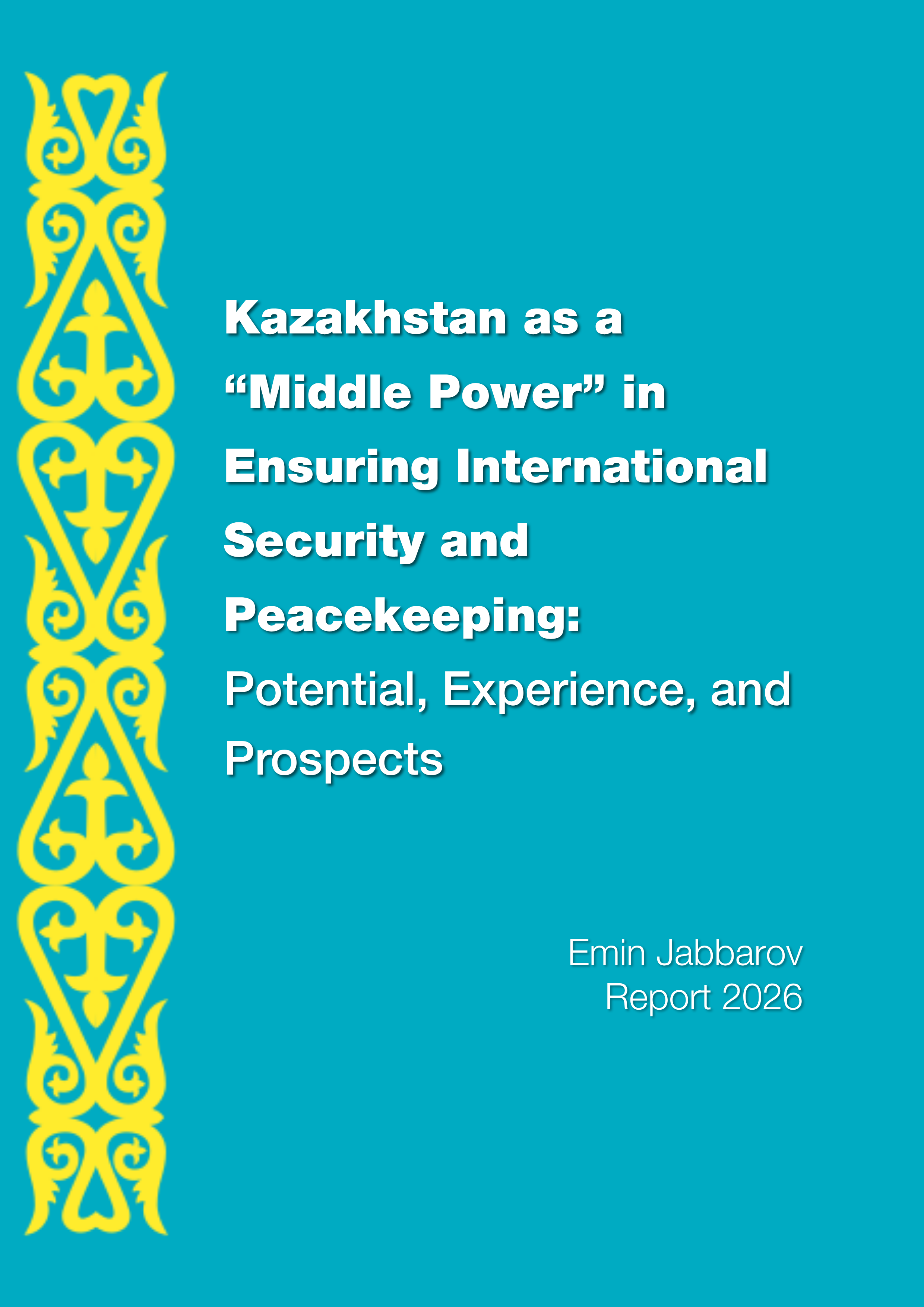
Kazakhstan as a “Middle Power” in Ensuring International Security and Peacekeeping: Potential, Experience, and Prospects
The contemporary international environment is characterized by an unprecedented intensification of competition among global actors and, as a consequence, the erosion of multilateral international institutions (including the UN), which constitute the foundation of the global order. Growing instability creates a strategic vacuum that can be filled by proactive “middle powers,” acting as mediators, bridge-builders, and guarantors of international law (states with “middle power” status are becoming critically important stabilizing elements in world politics).
In this context, the Republic of Kazakhstan, as a “middle power” (it is important to understand that this status entails responsibility), deliberately and systematically uses peacekeeping activities as a primary practical instrument for stabilizing the global situation. At present, Kazakhstan’s policy in this direction represents a “national brand” in the foreign policy domain, aimed at converting its practical contribution into global security. Kazakhstan’s participation in peacekeeping operations is not an isolated direction of foreign policy but is organically embedded in a broader strategy of positioning the country as an influential and responsible actor at both regional and global levels.
The analytical report consistently examines the theoretical foundations underlying “middle power” diplomacy, provides a detailed analysis of the doctrinal, institutional, and material basis of Kazakhstan’s peacekeeping potential, and also evaluates its practical experience. It also presents proposals to expand the country’s role and influence, including the transformation of its peacekeeping potential and the promotion of initiatives for UN reform.
Download the full report.