

The U.S.-Iran MoU: A Shaky Road to a Final Deal
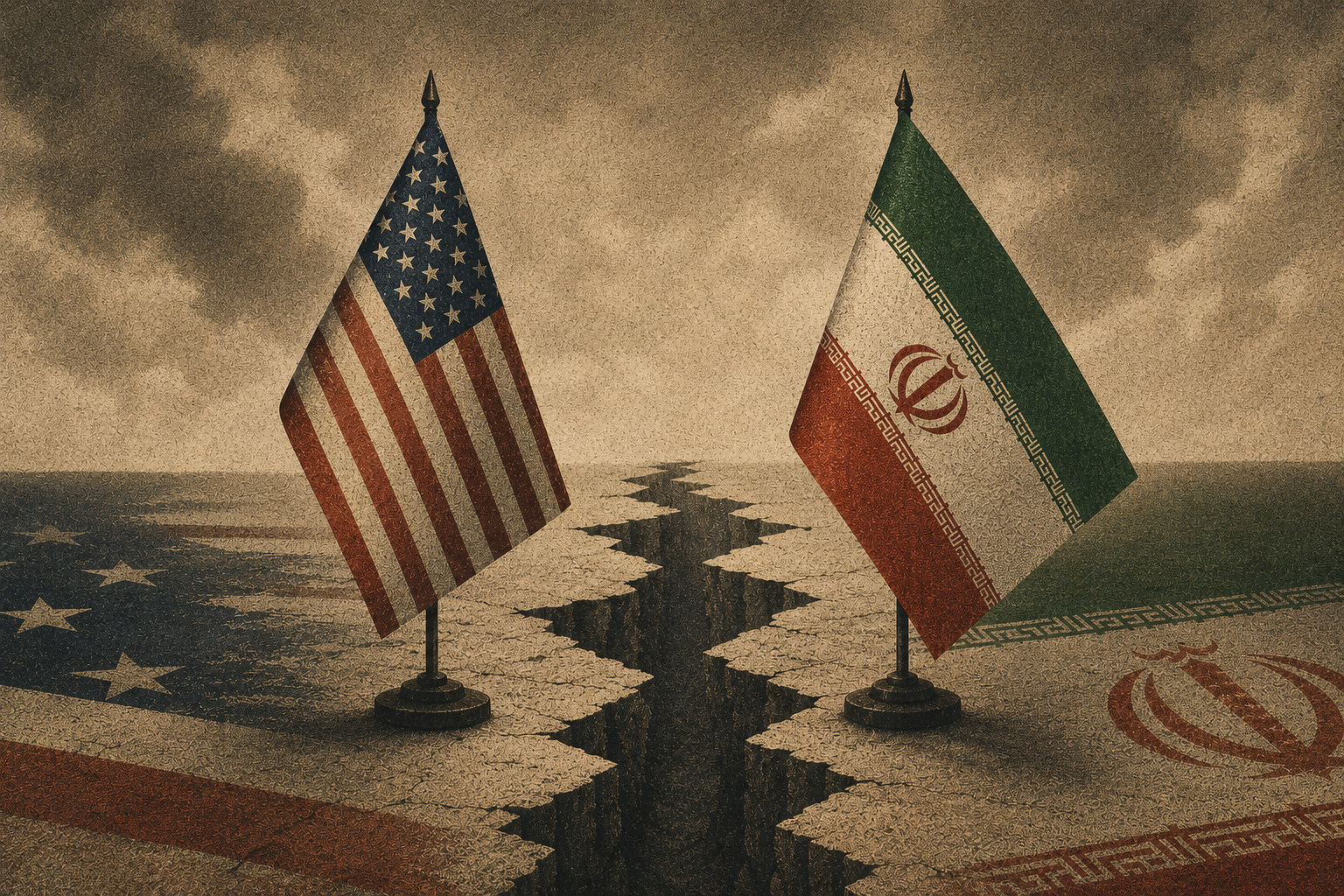
On June 15, the United States and Iran electronically signed a memorandum of understanding to end the war in the Persian Gulf and open the door to further negotiations toward a comprehensive peace agreement. The two sides are set to formally sign the deal in Switzerland on June 19.
After 40 days of military clashes, the planned 60-day ceasefire is expected to bring much-needed stability to the wider Middle East, giving regional powers room to intensify efforts to forge a status quo that serves all sides. Yet the opposite may prove true as well. Some in Washington and Tehran fear that the ceasefire will instead give the other side time to consolidate its capabilities and ultimately to cheat on the agreement.
The 14-article deal is an exercise in constructive ambiguity. In article after article, the commitments and responsibilities of each side are sketched rather than spelled out, leaving wide space for misinterpretation or even miscalculation. The clearest win for the global community is the reopening of the Strait of Hormuz. But the agreement is conspicuously silent on what kind of regime will govern maritime operations once the 60-day transition expires. It says only that Iran, in coordination with Oman, will define the strait's future administration and maritime services in discussion with the other Gulf littoral states. The deal is equally hazy on the modality and timing of reconstruction investment in Iran, the unfreezing of Iranian assets, and the lifting of sanctions against Tehran.
Neither side pretends this is more than a pause. With trust between Washington and Tehran at its nadir, both present the deal as a breather, not a settlement.
President Donald Trump has stressed that the interim arrangement is not final, warning that if Tehran "does not behave," the United States can resume its attacks. Ghalibaf, Iran's chief negotiator, has been just as blunt, casting diplomacy itself as a continuation of the fight, a matter of waging war at the right moment and negotiating at the right time. Iranian leaders, in particular, decline to frame the agreement as a lasting accommodation with Washington. They argue that in an asymmetric war, Tehran has forced Washington into a temporary deal, one that buys Iran space to consolidate its wartime gains, reap badly needed economic dividends, and enter the next round of its rivalry with the United States and Israel from a position of strength.
In March, with the war in its middle phase, Iran's overriding goal was simply to survive as a viable state. Today, the picture has shifted markedly in Tehran's favor.
Before the war, Iran held firm against concessions on its nuclear rights, its ballistic missile program, and its support for proxies. Now it has maneuvered Washington into bargaining over the Strait of Hormuz instead, without retreating from any of those red lines.
To raise the cost of probable American cheating, Tehran is pursuing a two-pronged strategy. First, it has traded the cautious, calibrated posture of the Khamenei years for a more proactive one, imposing costs on its adversaries to deter future strikes. The clearest sign of this shift was Iran's first-ever direct attack on Israel, launched in retaliation for Israeli strikes on southern Beirut. Second, Tehran is coordinating with regional powers – Pakistan, Turkey, Saudi Arabia, and Egypt – to build a new security architecture stable enough to serve all sides’ interests. Wary as these states remain of Iran's capacity for disruption, they have grown increasingly exasperated by the recklessness of U.S. and Israeli conduct over the past two months, enough to start using their clout to bring lasting order to the region.
Yet there is ample room for spoilers. Israel has signaled that it will not consider itself bound by the agreement and will press on with operations against Hezbollah, Iran's key ally in Lebanon.
The MoU commits the parties to an immediate and permanent cessation of military operations on all fronts, Lebanon included, which means Washington will have to go to considerable lengths to rein in Israeli strikes against Hezbollah. That puts Israel between a rock and a hard place – torn between neutralizing Iran's influence on its doorstep and staying in its principal patron's good graces. Iran faces a mirror-image dilemma.
It can resume attacks on Israel and risk collapsing the deal, or hold back and forfeit credibility in the eyes of its regional allies. One of the war's most consequential developments was the unraveling of Iran's forward-defense doctrine, which had rested on the premise that its proxies, Hezbollah above all, would deter Israeli attacks on Iranian soil. In its place, direct deterrence, or what some Iranian analysts call "territorial deterrence", has moved to the center of Tehran's strategy – a signal that Iran will strike U.S. bases from its own territory to raise the price of any future attack. This does not mean Tehran will abandon the "unity of fronts" concept. But after the 40-day war, the weight that idea carries in Iranian calculations is bound to change.
Israel is not alone in opposing the deal. Iran's ultra-hardliners, the Paydari Front, have come out against it as well. Launching a "we will not accept" campaign, the group, which maintains close ties to the IRGC and the clergy, rejects the talks because any agreement would compromise Iran's position in the Strait of Hormuz or on its nuclear program. Led by Saeed Jalili, the former secretary of the Supreme National Security Council and a longtime nuclear negotiator, the hardliners liken the MoU to the 2015 nuclear deal, which they have long denounced as a capitulation by Hassan Rouhani's reformist government. What makes this round different is the fault line running through it. The contest is no longer between reformists and conservatives, but one within the conservative camp – between the pragmatists consolidating power under Ghalibaf and the ultrahardliners who proved indispensable in rallying public support during the 40-day war. As in Vladimir Putin's Russia, hardliners are useful for mustering domestic resolve against external threats, but those same forces can turn disruptive once they gain leverage over foreign policy decisions.
Weighed together, these dynamics raise an unavoidable question: what are the odds that this memorandum evolves into a durable settlement? They look slim. The likeliest path runs the other way – Iran holds on to its highly enriched uranium and its right to enrich, treating both as the hard-won dividends of a war it believes it survived on its own terms, and Washington responds by reimposing the sanctions it briefly suspended. The ambiguity that made the deal possible on June 15 is the same ambiguity each side will exploit to claim the other broke faith first. Adding the spoilers, especially an Israel unbound by an agreement it never signed, the 60-day ceasefire starts to look less like the runway to peace than a pause to reload. None of this makes a wider settlement impossible. Wars have ended on shakier foundations. But a memorandum is not a peace, and the distance between the two is measured in precisely the questions this one left unanswered: who controls the strait, when the sanctions lift, and whether either capital can sell a compromise at home.